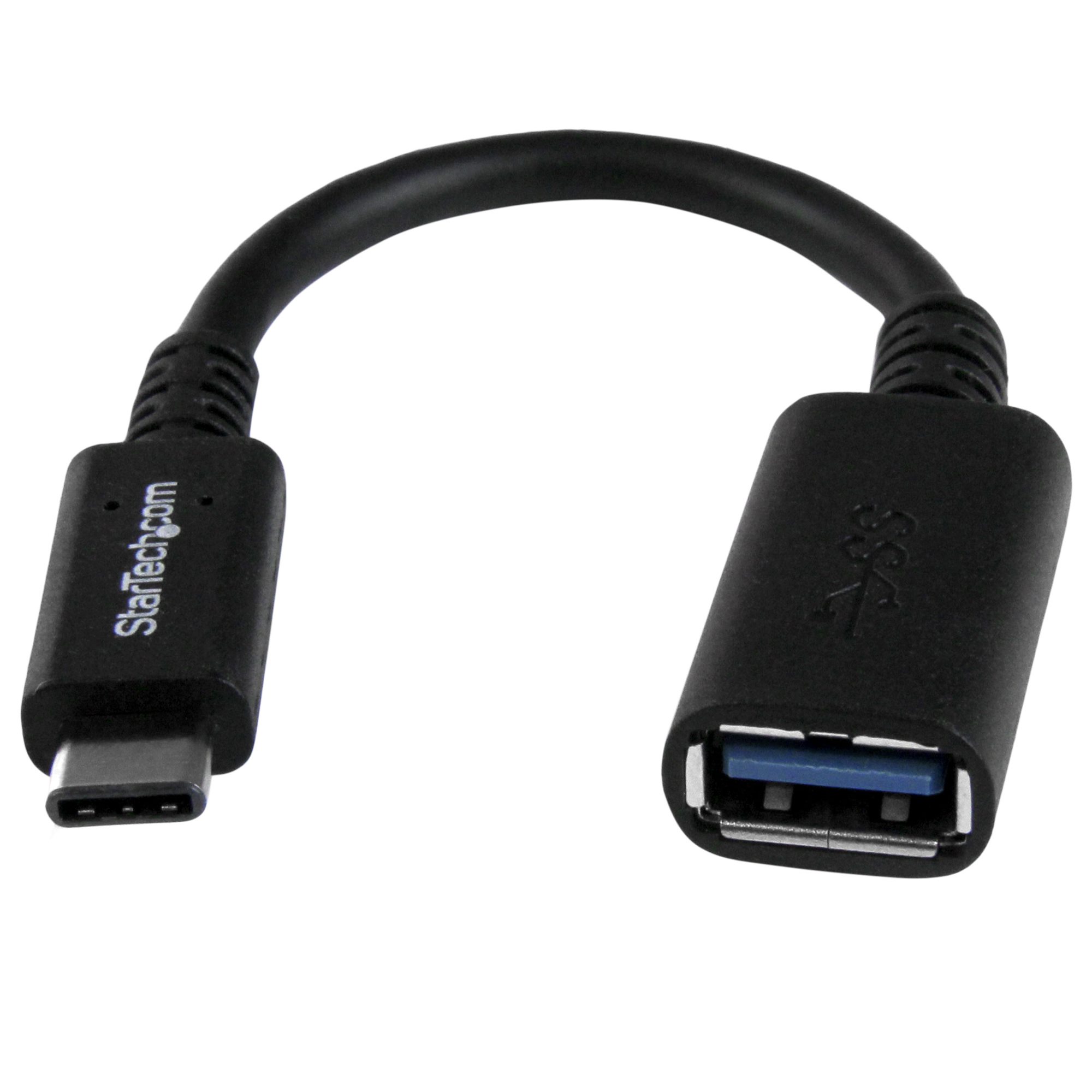
The Versatility of USB-C: A Deep Dive into Its Connectivity Features
The USB-C standard has revolutionized the way we connect devices, thanks to its remarkable versatility and robust feature set. Unlike its predecessors, USB-C supports a wide range of functionalities, including data transfer, video output, and power delivery, all through a single, compact connector. This multi-purpose capability means that users can employ USB-C cables to charge smartphones, connect to monitors, and even power laptops, reducing the need for multiple types of cables and adapters. As more devices adopt this universal standard, its significance in simplifying connectivity cannot be overstated.
One of the standout features of USB-C is its reversible design, allowing users to plug in the connector either way without worrying about orientation. This user-friendly feature enhances convenience, especially in low-light conditions. Furthermore, USB-C supports varying power delivery rates, enabling fast charging for compatible devices and even supporting high-wattage outputs for laptops. Coupled with data transfer rates that can exceed 10 Gbps with USB 3.1, this makes USB-C a powerful and flexible option for modern connectivity needs. Overall, the evolution of USB-C not only showcases advancements in technology but also meets the demand for a streamlined and efficient connection solution.
If you're looking to streamline your workspace, exploring the Top 10 Desk Charging Stations can help you find the perfect solution for keeping all your devices charged and organized. These charging stations offer various features, such as multiple ports, fast charging capabilities, and sleek designs that complement any office setup. Investing in a reliable desk charging station can enhance productivity and reduce clutter on your desk.
USB-C vs. Other Connectors: Why It's the Superior Choice for All Your Devices
When it comes to modern connectivity, USB-C stands out as the superior choice compared to other connectors. This versatile standard supports not only power delivery but also data transfer and video output, all through a single cable. Unlike older connectors like USB-A, Micro USB, and Lightning, the USB-C is reversible, meaning you can plug it in either way, which eliminates the frustration of fumbling with cords. Furthermore, its universal compatibility across devices—from laptops and smartphones to tablets and accessories—makes it the go-to solution for anyone looking to simplify their tech setup.
In addition to convenience, USB-C offers significant improvements in performance. For instance, it can deliver up to 100W of power, enabling fast charging for both smartphones and laptops, while also supporting data transfer speeds of up to 40Gbps with the right cables. This means that you can seamlessly connect your devices while reducing the clutter of multiple cords and adapters. With the world increasingly leaning towards a standardized approach to connectivity, adopting USB-C not only future-proofs your devices but also enhances the overall user experience.
Is USB-C the Future of Connectivity? Exploring Its Growing Adoption Across Industries
As we delve into the evolving landscape of technology, USB-C has emerged as a pivotal player in the realm of connectivity. This versatile standard is not just another port; it represents a cohesive solution to the growing complexity of cable management and device compatibility. From smartphones to laptops and even home appliances, USB-C is being adopted across various industries, reflecting a significant shift towards a unified charging and data transfer system. The simplicity and efficiency of this interface, coupled with its ability to support high-speed data transfer and power delivery, make it an attractive option for both manufacturers and consumers alike.
The rise of USB-C can be attributed to several factors that underline its potential as the future of connectivity. Firstly, it offers bidirectional power and data transfer, allowing for faster charging and more efficient device communication. Additionally, its compact size and reversible design enhance user experience, removing the annoyance of aligning plugs correctly. As industries increasingly prioritize sustainability and eco-friendliness, the move toward a single, universal charging standard like USB-C can help reduce electronic waste and streamline production processes. With tech giants endorsing and integrating USB-C into their latest devices, the trajectory for this technology points toward widespread adoption and functional standardization across the board.