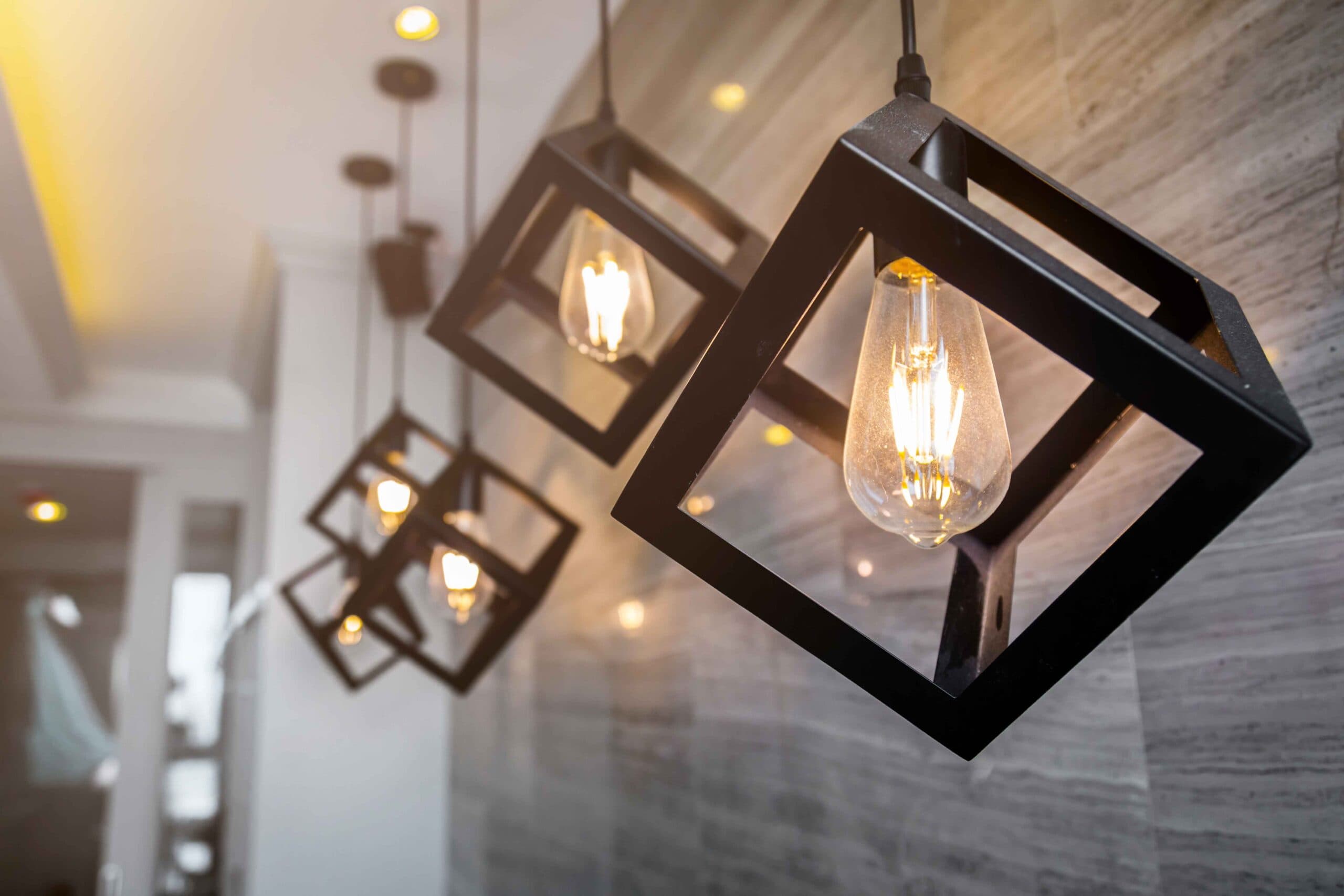
5 Quick Tips to Transform Your Space with Mood Lighting
Transforming your space with mood lighting can create an atmosphere that promotes relaxation and comfort. Here are 5 quick tips to help you achieve the perfect ambiance:
- Layer Your Lighting: Combine different light sources such as table lamps, floor lamps, and wall sconces to add depth and warmth to the room.
- Use Dimmers: Installing dimmer switches allows you to adjust the brightness according to your mood, providing flexibility for any occasion.
- Incorporate LED Strips: Flexible LED strip lights can be placed under cabinets or shelves to create subtle, indirect lighting that enhances the overall aesthetic.
- Choose the Right Bulbs: Opt for soft white or warm-colored bulbs to create a cozy feel, while colored bulbs can add a fun and vibrant touch.
- Add Smart Lighting: Smart bulbs let you control the lighting with your smartphone or voice, offering a modern approach to mood lighting.
Implementing these tips not only elevates your space but also helps you *personalize your environment*. Keep in mind that the right mood lighting can significantly influence your emotions and productivity levels. Don't hesitate to experiment with different setups until you find the perfect balance that suits your needs!
Enhancing your webcam experience can greatly improve your streaming or video conferencing quality. From lighting solutions to microphone upgrades, there are numerous options available. Check out the Top 10 Webcam Accessories to find the best tools to enhance your setup.
How to Choose the Perfect Lighting for Every Room in Your Home
Choosing the perfect lighting for every room in your home can transform not only the aesthetics but also the functionality of your spaces. Begin by assessing the primary function of each room. For instance, in the kitchen, bright, focused lighting is essential for cooking and meal preparation, while in the living room, a softer, more ambient light might be preferred for creating a cozy atmosphere. Utilizing a mix of overhead lighting, task lighting, and decorative fixtures can help create a layered lighting effect that enhances both the beauty and usability of each area.
When selecting light fixtures, consider the size and style of the room. A large chandelier can make a bold statement in a spacious dining room, while minimalist pendant lights may be more suited to a smaller kitchen. Don't forget to account for natural light sources; rooms with ample sunlight might only require minimal artificial lighting. Finally, always experiment with dimmer switches to give you the flexibility to adjust the brightness according to the time of day or activity, ensuring that you always have the perfect lighting for every occasion.
What Mood Does Your Lighting Create? A Guide to Color and Ambiance
The power of lighting extends beyond mere visibility; it can significantly influence the mood and ambiance of any space. Different colors of light can evoke a range of emotions—from the warm, cozy feelings associated with soft yellow hues to the energizing vibes of bright white or blue light. For instance, when hosting a dinner party, consider using warm lighting, as it creates a welcoming atmosphere that encourages conversation and relaxation. On the other hand, if you’re looking to boost creativity or focus in a workspace, cooler tones can help sharpen concentration and energize the mind.
To gain a deeper understanding of how lighting affects your mood, it’s essential to experiment with various light sources and colors in different settings. Here’s a simple guide to get you started:
- Warm Colors (2700K - 3000K): Ideal for intimate spaces like bedrooms and dining areas.
- Cool Colors (4000K - 5000K): Great for kitchens and workspaces, promoting alertness.
- Daylight Colors (5000K - 6500K): Excellent for reading and other activities requiring attention to detail.
By understanding the psychology behind color and light, you can enhance your space to align with the mood you wish to create.