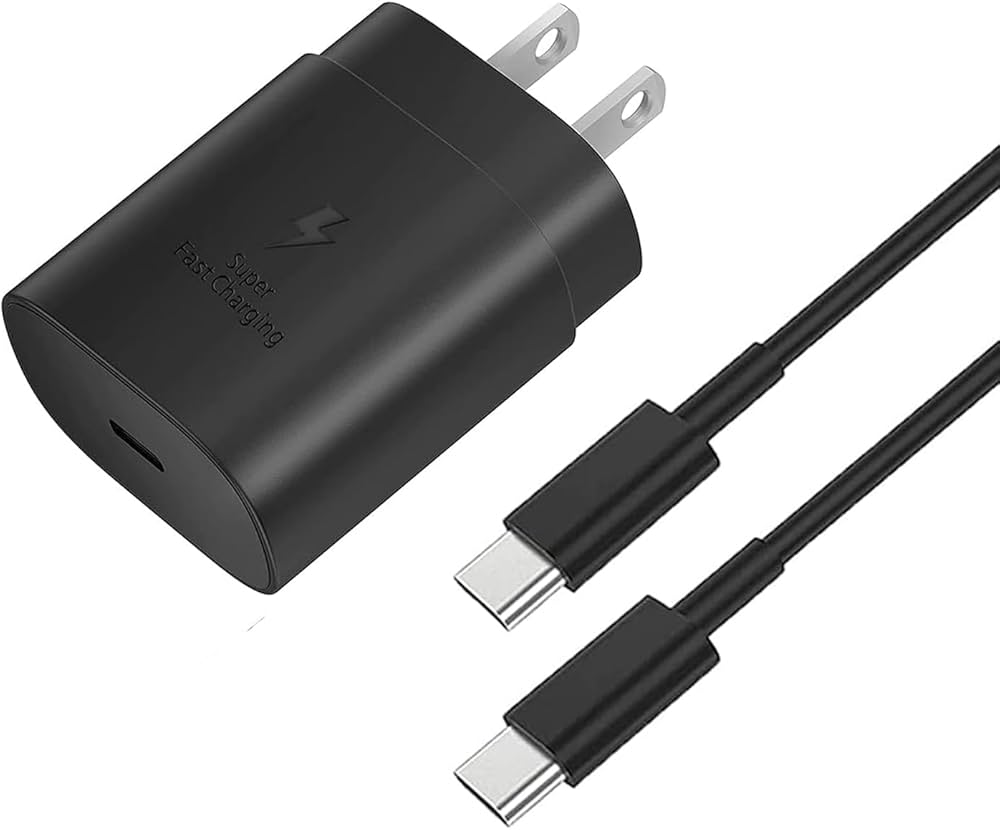
The Evolution of Fast Charging Technology: How We Got Here
The journey of fast charging technology began in the early 2000s when mobile devices started to become an integral part of daily life. The initial charging solutions were slow and cumbersome, often taking hours to fully charge a device. However, as battery technology advanced, so did the necessity for quicker charging solutions. By the late 2000s, manufacturers began developing quick charge protocols, allowing users to achieve a significant charge in a fraction of the time. This marked the beginning of a pivotal shift in consumer expectations and has spurred further innovation in the field.
As the demand for fast charging grew, various standards emerged, including Qualcomm's Quick Charge and USB Power Delivery. These technologies not only increased charging speeds but also introduced vital safety features to prevent overheating and damage. Fast charging technology has continued to evolve with innovations such as superfast charging and ultra-high wattage solutions, allowing devices to reach 100% in under an hour. Looking ahead, the continuous evolution of this technology promises even faster and more efficient charging solutions, reshaping the way we use our devices.
Counter-Strike is a highly popular first-person shooter game that emphasizes teamwork and strategic gameplay. Players can choose between two teams: terrorists or counter-terrorists, each with distinct objectives. The game has spawned several versions and updates, maintaining a large player base and competitive scene.
For gamers looking for more tech tips, check out the Top 10 Car Chargers for Apple Watch to ensure your devices stay powered during long gaming sessions.
Understanding the Science Behind Fast Charging: What Makes It Possible?
Fast charging technology has revolutionized the way we power our devices, allowing users to quickly recharge smartphones, laptops, and electric vehicles. The underlying science of fast charging involves a combination of advanced batteries, robust charging circuits, and intelligent software algorithms. At its core, fast charging works by increasing the current and voltage supplied to the battery, which can significantly decrease charging time. This efficiency hinges on two primary factors: the battery's chemistry and its ability to handle higher power levels without overheating or degrading. Innovations in lithium-ion and lithium-polymer batteries have made it possible to safely support these higher charge rates, balancing speed with longevity.
Another critical component of fast charging is the use of sophisticated chargers that communicate with the battery management system. These chargers dynamically adjust the current flow based on the battery's state of charge and temperature, minimizing the risk of overcharging. As a device approaches full charge, the charger lowers the power output to prevent damage and ensure optimal battery health. Additionally, factors such as cable quality and connector design can significantly affect charging speeds. As technology continues to evolve, we can expect even faster and more efficient charging solutions, making our devices more convenient and accessible than ever.
Fast Charging vs. Traditional Charging: Which Is Right for You?
As technology progresses, the debate between fast charging and traditional charging continues to gain traction among consumers. Fast charging promises to significantly reduce the time it takes to power up your device, typically delivering a full charge in under an hour. This is achieved through higher voltage and current, allowing for more efficient energy transfer. On the other hand, traditional charging methods provide a slower, steadier flow of power, generally taking several hours to complete a full charge. For users who prioritize convenience and can manage the potential heat generated during the process, fast charging may be the ideal choice.
However, choosing between fast charging and traditional charging isn't just about speed; it also involves considering factors such as device compatibility and battery health. Many smartphones and devices support fast charging, but using the feature with incompatible chargers could risk battery longevity. In contrast, traditional charging offers a gentle approach that may extend the lifespan of your battery over time. Ultimately, understanding your daily routine, device specifications, and charging habits will guide you to the right choice for your needs. Whether you lean towards fast charging for its efficiency or prefer the reliability of traditional charging, knowing the specifics will help you make an informed decision.