Mastering Map Control: Essential Strategies for CSGO Awareness
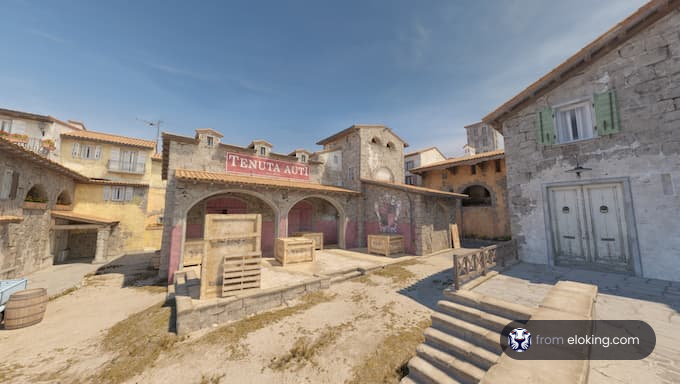
In the world of CS:GO, mastering map control is a vital skill that can significantly enhance your gameplay. Understanding how to strategically navigate maps like Dust II or Mirage enables players to gain an upper hand against opponents. To achieve effective map control, focus on the following essential strategies:
- Map Awareness: Always be conscious of your surroundings and where your teammates are positioned. This allows you to make informed decisions regarding engagement or retreat.
- Communication: Effectively communicating with your team about enemy positions and your intended movements can lead to better coordination and map dominance.
- Utilizing Utility: Make the most of grenades and utilities to deny enemy movements or to flush them out of key locations.
Another crucial aspect of CS:GO map control is the ability to read and predict your opponents' strategies. Being adaptable and flexible in your playstyle allows you to counter enemy tactics effectively. Consider the following tips to further enhance your map control:
- Positioning: Take elevated positions whenever possible. This not only offers a strategic advantage but also surprises your enemies.
- Timing: Pay attention to the round time and the placement of your opponents. Taking calculated risks at the right moment can shift the momentum in your favor.
- Practice: Regularly playing different maps and scenarios will improve your instincts and decision-making skills.
Counter-Strike is a popular tactical first-person shooter game that has captivated millions of players worldwide. Players engage in team-based gameplay, often taking on the roles of terrorists and counter-terrorists. One notable skin available in the game is the 3rd Commando Company KSK, which showcases unique designs and adds to the game's immersive experience.
The Key to Victory: Understanding CSGO Map Cues and Callouts
In the competitive world of CS:GO, understanding map cues and callouts is crucial to achieving victory. Each map is intricately designed, offering various opportunities for players to gain an advantage. Familiarity with important locations, or 'callouts', allows teammates to communicate effectively during tense moments. For example, identifying spots like Bombsite A or Long A on Dust II can significantly enhance team coordination, making strategic decisions smoother and more efficient. Learning these terms not only assists players in navigation but also improves teamwork, a critical factor in securing wins.
Moreover, recognizing map cues—such as sounds, lighting, and environmental details—can offer insights into opponents' movements. Players who can interpret these signals are better equipped to anticipate enemy actions and react accordingly. For instance, hearing a grenade explode in a specific area might signal the enemy's approach, allowing for preemptive strategies. By mastering both map cues and callouts, players can elevate their gameplay, making informed decisions that lead to success in CS:GO. To be truly competitive, invest time in practicing these elements and watch your skills improve dramatically.
How to Read the Map Like a Pro: Tips for Improving Your CSGO Gameplay
Understanding the map in CSGO is crucial for achieving success in the game. To improve your gameplay, the first step is to familiarize yourself with essential map features. Callouts are specific terms used by players to identify locations quickly; learning these will enhance communication with your team. Here are some strategies to master map reading:
- Study the map layout: Take time to examine your map choices and understand the layouts, including bomb sites, choke points, and common hiding spots.
- Practice with friends: Create a private server to run drills focusing on callouts and positional awareness.
Another aspect to consider is understanding common player movements and behaviors. Watch professional matches and pay attention to how top players navigate the map. Analyzing replays can reveal tactics and strategies that you can implement in your own gameplay. Here are some additional tips:
- Keep track of enemy positions: Use the few seconds in-between rounds to think about where your opponents might be likely positioned or rotating to.
- Use the mini-map: Always glance at your mini-map to keep tabs on your teammates’ locations and make informed decisions during gameplay.