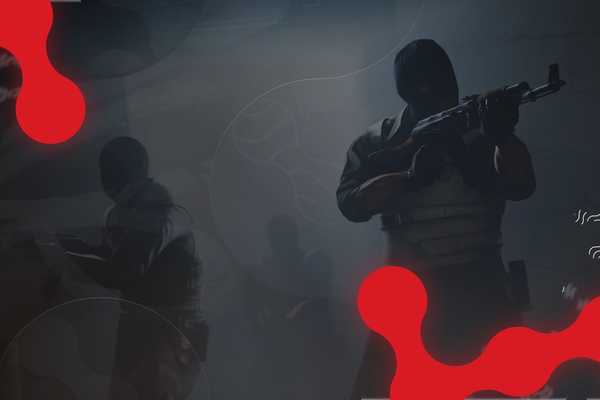
Mastering the Art of Peeking: Techniques that Can Change Your Game
Mastering the Art of Peeking involves understanding the subtle nuances that can give you a competitive edge, whether in games, sports, or life in general. To start, here are a few techniques that can enhance your peeking skills:
- Timing: Perfecting the timing of your peeks can be the difference between victory and defeat. Practice varying your rhythm to keep opponents guessing.
- Positioning: Utilize the environment to your advantage. Learn how to position yourself for optimal visibility while minimizing exposure.
- Observation: Study your opponents’ patterns. Knowing when and where they are likely to look can provide a golden opportunity to execute a successful peek.
In addition, mental preparation is key in mastering these techniques. Here are some mental strategies:
- Stay Calm: Keeping a cool head helps you react more effectively during tense situations.
- Visualization: Envision successful peeking scenarios before they happen to build confidence and improve execution.
- Adaptability: Being flexible and adapting your approach based on the opponent's reactions can increase your success rate.
With practice and application of these techniques, you will not only become a better player but also elevate your overall game strategy.
Counter-Strike is a popular first-person shooter game that emphasizes teamwork and strategy. Players engage in various game modes, and mastering the mechanics is crucial for success. If you're looking to improve your gameplay, understanding how to fast forward in cs2 replay can be beneficial for reviewing your matches. The competitive nature of the game, combined with its engaging maps and modes, continues to attract a dedicated player base.
Top 5 Common Mistakes Players Make When Peeking in CSGO
In CSGO, mastering the art of peeking is crucial for gaining an edge over your opponents. However, many players fall into common traps that can easily be avoided. One of the most frequent mistakes is failing to check angles adequately before peeking. This can lead to unexpected surprises and quick deaths. Always make it a habit to clear potential hiding spots or use utility to flush out enemies before exposing yourself. This pre-peek preparation can make the difference between a successful engagement and an unplanned exit from the round.
Another common error players make is peeking without considering their crosshair placement. Many players tend to have their crosshair positioned too low or carelessly around corners, which can slow down their reaction time dramatically. To combat this, practice keeping your crosshair at head level to facilitate quicker shots as you make your move. Additionally, avoid peeking with a predictable pattern; instead, vary your timing and angles to throw off your opponents. By being mindful of these details, you can significantly improve your success rate while engaging enemies.
How to Use Sound and Vision to Outsmart Opponents While Peeking
In the competitive landscape of strategy games and sports, mastering the use of sound and vision can significantly enhance your gameplay. By training your auditory senses to recognize subtle cues, such as the sound of an opponent's movements or their breathing patterns, you can gain a substantial advantage. Visual acuity is equally important; learning to pick up on body language and facial expressions can reveal an opponent's intentions before they even act. To leverage these senses effectively, consider the following techniques:
- Pay attention to background noise and how it changes when an opponent is nearby.
- Use peripheral vision to monitor multiple opponents simultaneously.
- Practice mindfulness to improve your ability to focus on sounds and sights in high-pressure situations.
Combining sound and vision allows for a holistic approach to outsmarting your opponents. For instance, coordinating your movements to align with audio cues can help you anticipate your opponent's next move. Exemplifying this strategy during a game of chess, you might listen for subtle shifts in their posture or the rustling of a piece to determine their plans. Additionally, reflecting on your own body language can mislead your opponents about your strategy. Here are some key strategies to remember:
- Use a mix of audible and visual distractions to confuse opponents.
- Control your own cues—practice remaining calm and collected to prevent giving away your game plan.