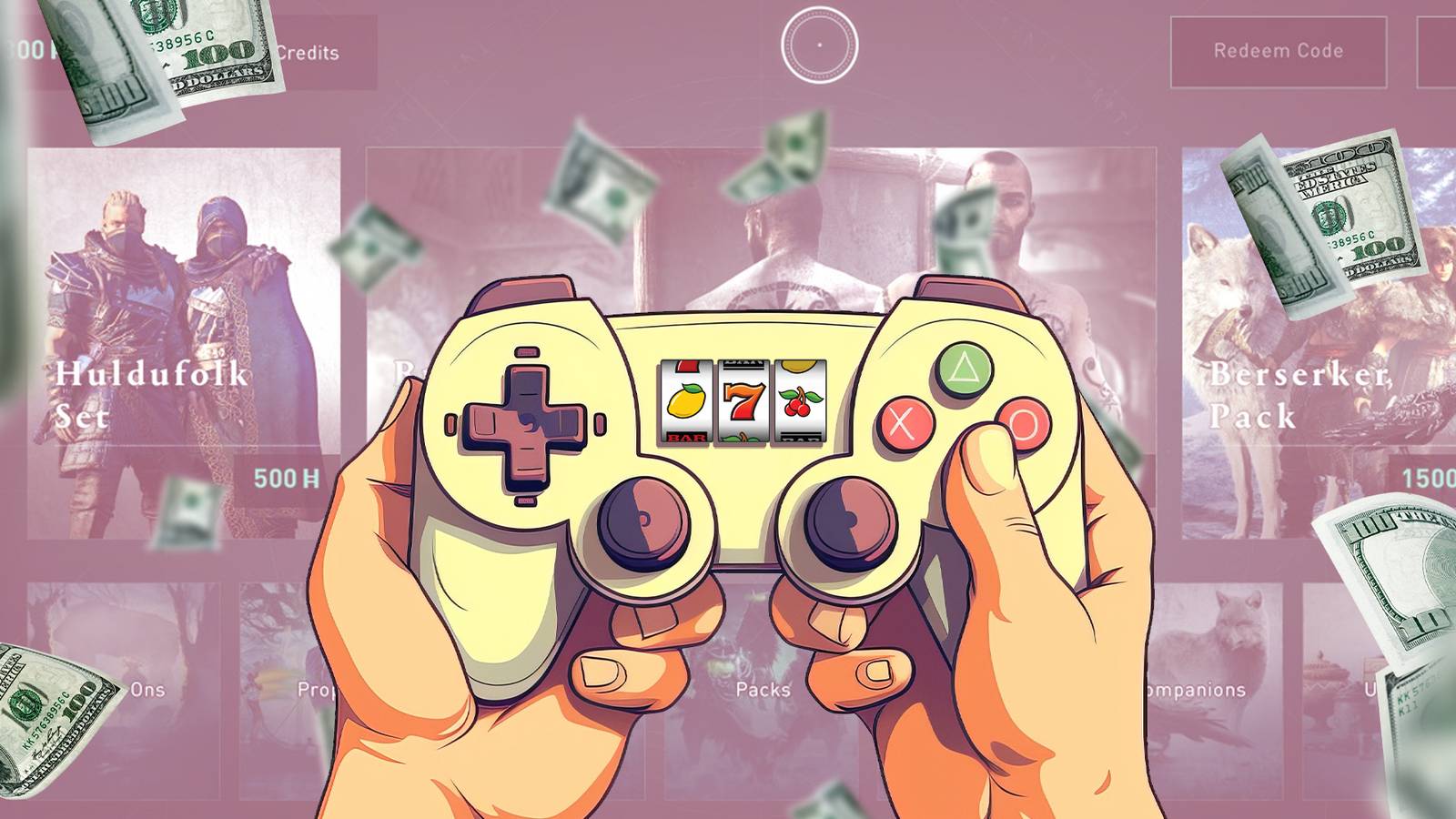
The Hidden Costs of Microtransactions: Understanding Their Impact on Gambling Habits
The rise of microtransactions in gaming has introduced a plethora of hidden costs that extend beyond the initial price of a game. These costs can subtly influence players’ gambling habits, as microtransactions often create a cycle of spending that is hard to break. For instance, games may offer enticing in-game purchases that promise to enhance the gaming experience, such as rare skins or powerful upgrades. When players repeatedly engage with these systems, they may start to associate microtransactions with progress and success, leading to an increased financial commitment that can quickly spiral out of control.
Moreover, the psychological impact of these transactions can alter one’s perception of value, making players more likely to spend money on chances rather than guaranteed outcomes. This can foster a gambling-like environment where users chase after the next big win or rare item, a phenomenon that can be detrimental to their financial well-being. Understanding the implications of microtransactions is crucial for gamers, as awareness may help mitigate the risk of developing harmful spending habits that resemble those found in traditional gambling arenas.
Counter-Strike is a popular series of multiplayer first-person shooter games where players take on the roles of terrorists and counter-terrorists. The game's objective varies depending on the mode, often involving bomb defusal, hostage rescue, and team deathmatch scenarios. Players can improve their skills and strategies over time, making it a competitive and engaging experience. For those interested in gaming promotions, check out this rollbit promo code for some exciting deals!
Microtransactions in Online Gambling: Are They Worth the Price of Admission?
Microtransactions have become a ubiquitous aspect of online gambling, often blurring the line between traditional betting and in-game purchases. Players are frequently lured into spending small amounts of money for virtual goods, such as special tokens, enhanced gaming experiences, or exclusive content. While these microtransactions can enhance engagement and provide players with unique opportunities, they can also lead to a slippery slope of spending. Are they worth the price of admission? The answer largely depends on the individual's gaming habits and financial situation.
Critics argue that microtransactions can lead to addiction and significantly inflate the overall cost of gaming. For some, what starts as a harmless purchase can spiral into excessive spending, driven by the desire for quick wins and better odds. Others, however, see value in the convenience and excitement that these microtransactions provide. Ultimately, players must consider their own budgets and game preferences when navigating the landscape of online gambling. To truly determine their worth, it is essential to weigh the potential enjoyment against the risks of overspending.
How Microtransactions Shape the Future of the Gambling Industry: Trends and Insights
The evolution of microtransactions has significantly impacted various sectors, and the gambling industry is no exception. As online casinos and gaming platforms integrate these small payment systems, they enhance user engagement and create a dynamic experience for players. One notable trend is the rise of freemium models, which allow players to access basic gameplay without cost while offering premium features or advantages through microtransactions. This model not only broadens the player base but also encourages greater spending from dedicated users, leading to a revenue surge in the gambling sector.
Furthermore, microtransactions are paving the way for innovative gaming experiences, such as virtual reality casinos and live dealer games. These advancements rely heavily on microtransaction systems to operate seamlessly. As players seek more immersive and interactive environments, operators are compelled to invest in technology that supports these experiences. Trends indicate that as the demand for enhanced user interaction grows, the gambling industry will continue to evolve, integrating more microtransaction-based elements, thus shaping its future for both developers and players alike.