Mastering CSGO Callouts: The Ultimate Guide for New Players
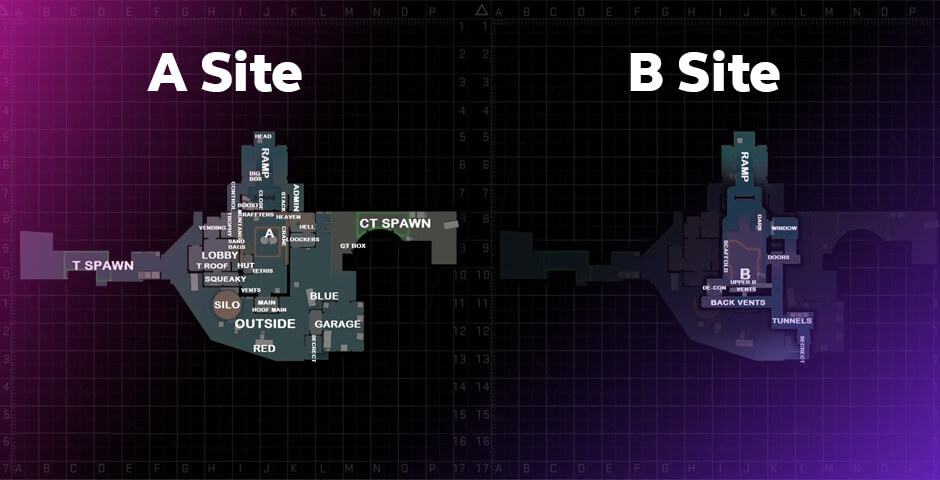
Mastering CSGO callouts is essential for new players looking to improve their gameplay and communication skills. Callouts are specific terms or phrases used to refer to various locations on maps, allowing players to quickly share information about enemy positions and strategies. In Counter-Strike: Global Offensive, effective communication can be the difference between winning and losing a round. Start by familiarizing yourself with the most common callouts on popular maps like Dust II and Mirage. For instance, on Dust II, locations such as 'A Site', 'B Site', and 'Catwalk' are crucial for ensuring your team is on the same page.
To help you master these CSGO callouts, consider creating a personal cheat sheet or flashcards for quick reference. You can also find online resources that offer visual aids, such as map guides and videos that illustrate the locations. Remember to practice regularly with your friends or teammates to reinforce your knowledge. As you become more confident in using callouts, you’ll notice a significant improvement in your team's coordination and strategy. Ultimately, taking the time to learn and use these callouts effectively will make you a more valuable player in high-stakes matches.
Counter-Strike is a popular first-person shooter game where teams compete to complete objectives or eliminate the opposing team. One of the versatile weapons available in the game is the mp7, known for its accuracy and speed in close-quarters combat.
Top 10 Essential Callouts Every CSGO Pro Should Know
In the competitive world of CSGO, effective communication is key to securing victory. Among the most vital aspects of this communication are the callouts, which help players navigate the game map and convey enemy positions swiftly. Understanding and utilizing these callouts can significantly enhance team coordination and strategies. Here are the top 10 essential callouts every pro player should master:
- A Site - Refers to the bombsite where the terrorists aim to plant the bomb on maps like Dust II.
- B Site - The counterpart of A Site on various maps; critical for strategic plays.
- Mid - A central area on maps like Mirage where control can dictate the pace of the game.
- Long - A common term in maps such as Dust II, often used when discussing positioning and enemy approach.
- Catwalk - An essential callout in maps like Dust II that affects both offense and defense strategies.
- Heaven - A common term used in various maps to refer to elevated positions that provide strategic advantages.
- Connector - Vital for communication about movement between different areas, especially in Mirage.
- Ramp - Used in maps like Train to indicate important choke points and movement zones.
- Flank - A crucial term indicating that enemies might be engaging from behind, allowing teams to adjust their strategies.
- Spawn - Refers to the initial starting area for players; knowing enemy spawn points can inform tactical decisions.
How to Effectively Communicate in CSGO: Tips for Clear Callouts
Effective communication in CSGO is essential for team success, and clear callouts are the backbone of this communication. To ensure that your team remains coordinated, familiarize yourself with the map and use standardized terms for locations. For example, you can categorize areas of the map into key zones, such as A Site, B Site, Mid, and specific callouts like ‘Car’ or ‘Balcony’. This minimizes misunderstandings and speeds up the decision-making process during pivotal moments of the game.
In addition to using common callouts, it's crucial to employ concise language. Avoid long sentences and unnecessary details when making callouts. Instead, focus on critical information: who you see, where you see them, and what actions to take. For instance, you could say, ‘One Taps at B Site,’ to quickly relay enemy presence and position. Remember, effective communication can make the difference between victory and defeat, so practice your callouts regularly to enhance your teamwork in CSGO.