Understanding Loyalty Scoring Algorithms: How They Enhance Customer Relationships
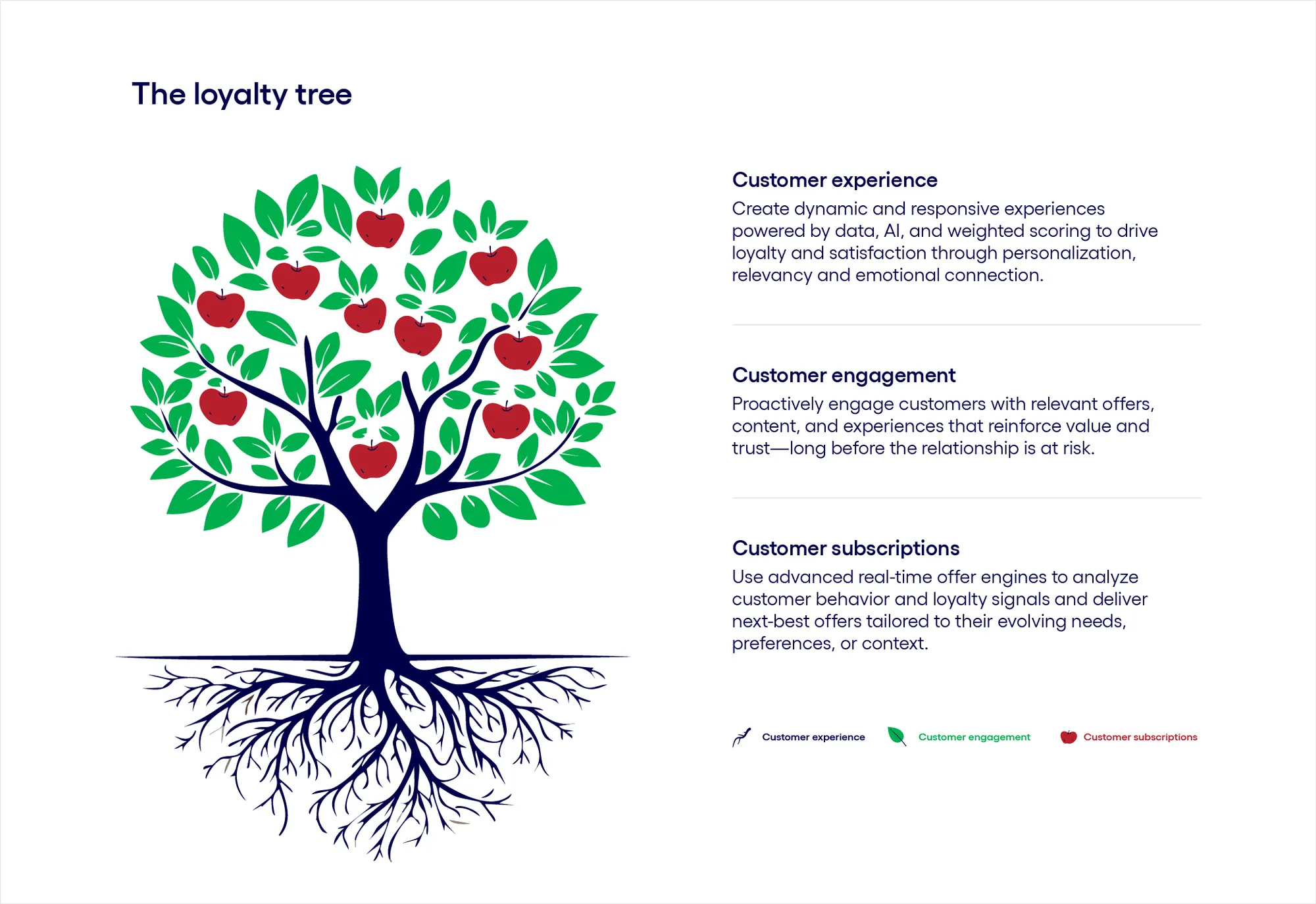
Loyalty scoring algorithms play a pivotal role in enhancing customer relationships by analyzing consumer behavior and assigning scores based on their engagement and purchasing patterns. These algorithms leverage data analytics to track customer interactions, including purchase frequency, average spending, and feedback. By utilizing these insights, businesses can create personalized marketing strategies that cater to individual preferences, ultimately boosting customer satisfaction and retention.
Moreover, understanding loyalty scoring algorithms enables businesses to identify high-value customers and tailor exclusive rewards or incentives. This not only enhances the overall customer experience but also fosters a sense of community and belonging among loyal customers. As companies increasingly rely on data-driven strategies, implementing effective loyalty scoring systems becomes essential for cultivating sustainable customer relationships and maximizing revenue potential.
Counter-Strike is a popular tactical first-person shooter game known for its competitive gameplay and team-based action. Players compete in various modes, with the aim of completing objectives such as defusing bombs or rescuing hostages. If you're looking for a way to enhance your gaming experience, consider using a duel promo code to unlock exciting features.
What Makes a Loyalty Scoring Algorithm Effective? Key Factors to Consider
When evaluating the effectiveness of a loyalty scoring algorithm, several key factors come into play. First and foremost, the algorithm should incorporate a variety of data points, including transaction history, customer engagement levels, and feedback. A well-rounded model uses multi-dimensional data to create a comprehensive view of customer behavior. This allows businesses to better understand what drives loyalty and tailor their marketing strategies effectively.
Another crucial aspect is real-time adaptability. Effective loyalty scoring algorithms must evolve with changing customer needs and preferences. Regularly updating the model with fresh data ensures that businesses remain aligned with their customers’ expectations. Additionally, integrating machine learning techniques can enhance the algorithm's predictive capabilities, enabling more personalized outreach and maximizing customer retention. In summary, the effectiveness of a loyalty scoring algorithm hinges on its data diversity and adaptability to changing dynamics.
The Future of Customer Loyalty: Trends in Scoring Algorithms You Need to Know
The landscape of customer loyalty is rapidly evolving, especially with the advent of sophisticated scoring algorithms that leverage big data and advanced analytics. As businesses strive to personalize their marketing strategies and enhance customer experiences, these algorithms are becoming crucial in predicting customer behavior. Key trends to watch include the use of machine learning to identify patterns in customer interactions, as well as the integration of social media sentiment analysis. This allows companies to score customer loyalty not just on purchasing history but also on engagement levels across different platforms.
Another significant trend is the shift towards real-time scoring, enabling businesses to adapt their loyalty programs instantly based on current customer data. This flexibility enhances the customer experience by offering timely rewards or interventions that align with customer needs. Furthermore, companies are now focusing on multi-channel loyalty assessments, which consider interactions across various touchpoints—online and offline. By understanding the holistic customer journey, brands can tailor their loyalty initiatives more effectively, ensuring they retain customers in an increasingly competitive market.