Understanding Loyalty Scores: How They Impact Customer Retention
Loyalty scores are an essential metric that helps businesses gauge the strength of their relationship with customers. These scores are calculated based on various factors, including purchase history, engagement levels, and feedback. By understanding how to interpret these scores, companies can pinpoint areas for improvement and tailor their marketing strategies accordingly. For instance, a high loyalty score indicates a customer likely to recommend the brand to others, while a low score may signal dissatisfaction. In this context, analyzing loyalty scores not only aids in customer retention but also serves as a predictive tool for future sales and overall growth.
To effectively leverage loyalty scores, organizations should implement strategies that foster deeper connections with their customers. Engagement initiatives, such as personalized promotions or loyalty programs, can significantly enhance a customer's experience, leading to higher scores. Additionally, gathering regular feedback through surveys or social media can provide insights into what customers value most. As businesses adapt their approach based on these insights, they can create a cycle of continuous improvement that boosts customer retention. Ultimately, a keen focus on loyalty scores empowers brands to not only stay competitive but also build lasting relationships with their customer base.
Counter-Strike is a popular multiplayer first-person shooter that emphasizes team-based tactics and strategy. Players can engage in various game modes, including competitive matches, where teamwork and individual skill play a crucial role. For those looking to enhance their gaming experience, you might want to check out the duel promo code for some exciting bonuses.
5 Key Factors That Influence Loyalty Scores in Your Business
Understanding the key factors that influence loyalty scores in your business is essential for fostering long-term customer relationships. Firstly, customer satisfaction plays a pivotal role; when your clients feel valued and their expectations are met consistently, their loyalty tends to grow. Additionally, the quality of customer service can either make or break the customer experience. Businesses that prioritize training their staff and creating a welcoming atmosphere often witness higher loyalty scores, as customers are more likely to return to places where they feel appreciated.
Another crucial factor is the value proposition your business offers. Customers are increasingly loyal to brands that provide them with superior benefits, whether that be through exceptional products, competitive pricing, or unique experiences. Furthermore, trust is an essential element; if customers believe in your brand's integrity and commitment to ethical practices, they're more likely to remain loyal. Finally, leveraging effective communication strategies enhances customer engagement. Keeping your clients updated on promotions, changes, and new offerings helps maintain a connection that can positively impact loyalty scores.
How to Leverage Loyalty Scores to Enhance Customer Experience
In today's competitive market, understanding customer loyalty is crucial for businesses aiming to enhance their customer experience. One effective way to gauge this is through loyalty scores, which provide insights into how engaged and satisfied customers are with your brand. By analyzing these scores, companies can identify key trends and pain points within their customer base. For example, a high loyalty score indicates that customers are satisfied and likely to recommend your business to others. On the other hand, a low score may highlight areas where your products or services can improve.
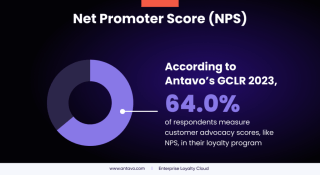
To leverage loyalty scores effectively, organizations should integrate feedback mechanisms that allow customers to express their thoughts and experiences. Consider implementing customer surveys or utilizing net promoter scores (NPS) to gather vital information. Once collected, analyze the data to uncover patterns that correlate with positive or negative customer experiences. For instance, you can create a loyalty score dashboard that provides a visual representation of customer sentiments. With this actionable data, businesses can tailor their strategies, offer personalized promotions, and ultimately enhance the overall customer experience significantly.