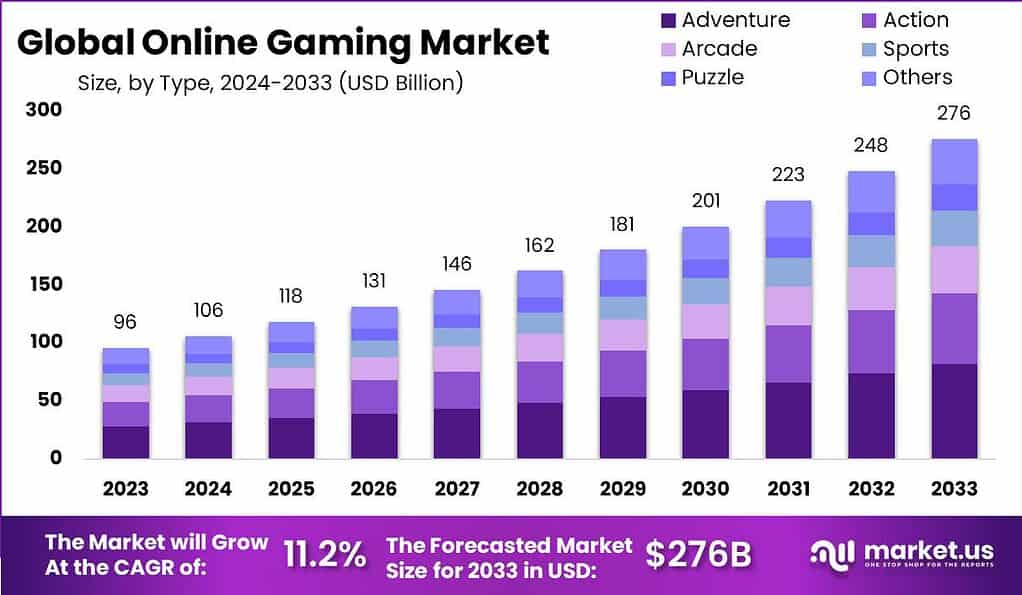
Understanding the Basics of Competitive Gaming Economies
In recent years, competitive gaming has evolved into a multi-billion dollar industry, creating a complex ecosystem known as the competitive gaming economy. This economy is driven by various factors including player skill, game design, and audience engagement. At its core, the competitive gaming economy can be understood through several key elements:
- Player Earnings: Professional gamers earn income through sponsorships, tournament winnings, and streaming platforms.
- Game Publishers: Companies create incentives such as prize pools and support for esports events to stimulate competitive play.
- Fan Engagement: Viewer interest drives revenue through advertising, merchandise sales, and subscription services.
Understanding the dynamics of a competitive gaming economy requires recognizing the ongoing interactions between players, sponsors, and audiences. Each stakeholder plays a critical role in maintaining the balance within the ecosystem. For instance, players must consistently improve their skills and adapt to game updates, while sponsors must evaluate the return on investment from their partnerships. Additionally, audiences contribute significantly by driving viewership and engagement, which, in turn, influences how publishers approach game development and marketing strategies. By paying close attention to these interconnected elements, one can better appreciate the intricacies of competitive gaming economics.
Counter-Strike is a popular series of tactical first-person shooter games that have captivated millions of players worldwide. The game emphasizes team play and strategy, and players can improve their skills through practice and experience. If you're looking to enhance your gaming experience, consider checking out the csgoroll promo code to get some great benefits.
Top Strategies for Maximizing Your Earnings in Gaming
Gaming offers numerous avenues for players to maximize their earnings, whether through competitive play, content creation, or in-game trading. One effective strategy is to focus on skill development. By investing time in understanding game mechanics and mastering specific titles, players can improve their performance, leading to better in-game rewards and tournament placements. As your skills grow, consider participating in esports tournaments or leagues, as successful participation can yield substantial cash prizes and sponsorship opportunities.
Another key approach is to diversify your income streams. Content creation is a popular method, where gamers share their experiences through platforms like Twitch or YouTube. By building a strong following, you can earn revenue through subscriptions, ad placements, and sponsorships. Additionally, consider engaging in affiliate marketing by promoting gaming products and earning commissions from sales. Combining these strategies will not only enhance your gaming experience but can significantly increase your overall earnings in the gaming industry.
How to Invest in Virtual Goods: A Guide for Gamers
As the gaming industry continues to evolve, investing in virtual goods has become a captivating opportunity for gamers and investors alike. Virtual goods encompass a wide range of items including in-game currencies, skins, weapons, and accessories that enhance gameplay or provide aesthetic value. To start investing in these digital assets, it's crucial to explore popular platforms such as Steam, Fortnite, and Roblox, which have robust marketplaces for trading these items. Familiarize yourself with the trends in each game and monitor the market closely, as prices can fluctuate based on supply and demand.
When you're ready to dive in, here are some tips to maximize your investment in virtual goods:
- Research Thoroughly: Understanding the game’s economy and the rarity of virtual items can give you a competitive edge.
- Diversify Your Portfolio: Just like traditional investing, don’t put all your eggs in one basket. Invest in different types of virtual goods across various games.
- Join Gaming Communities: Engaging with other gamers can provide insights into upcoming trends and potential investment opportunities.