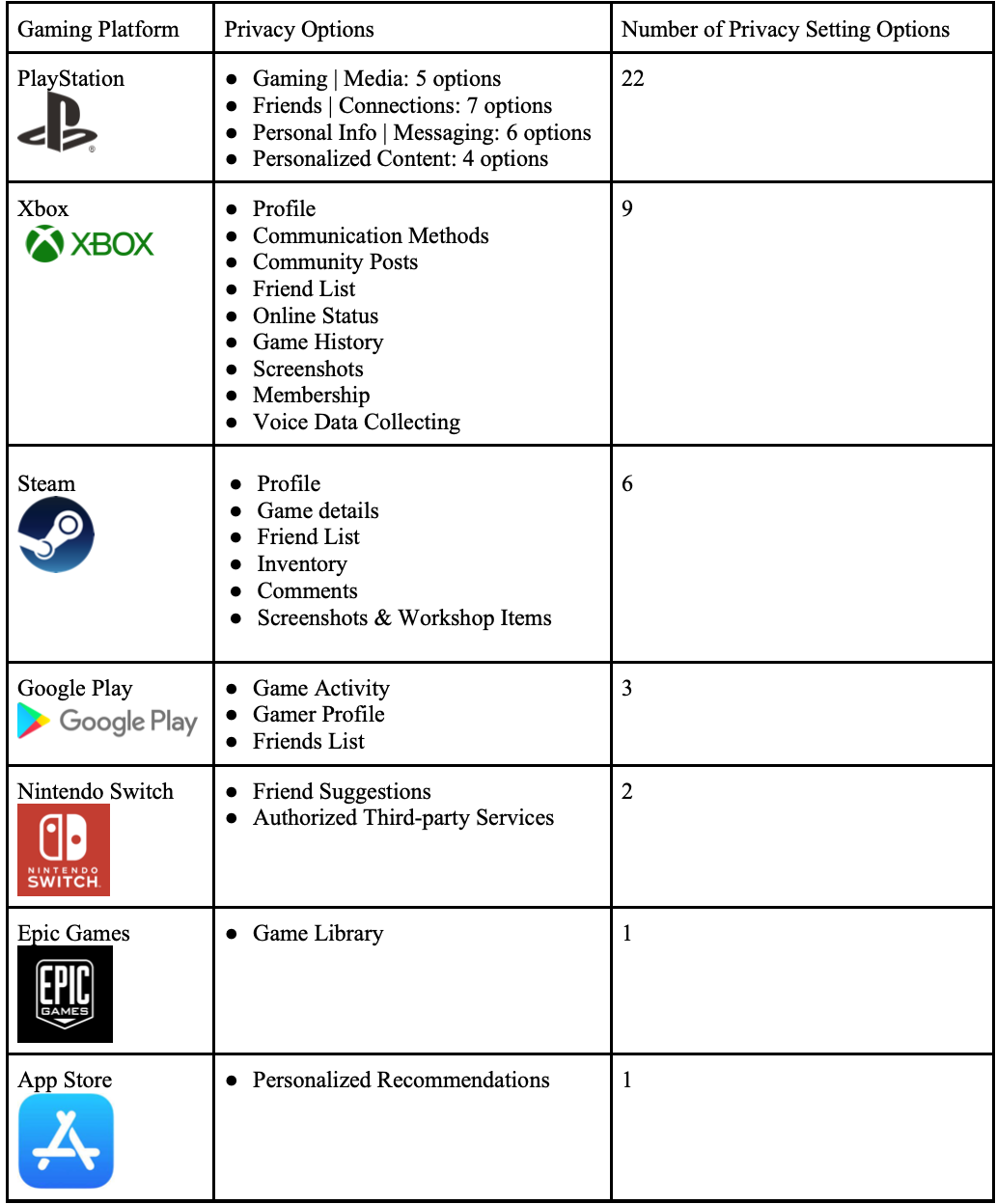
Understanding Online Gaming Privacy: Essential Tips for Players
In the digital age, online gaming privacy has become increasingly crucial for players looking to maintain their personal data security. As the popularity of multiplayer games rises, so does the risk of unauthorized access to personal information. To safeguard your privacy, always start by using strong, unique passwords for your gaming accounts and enable two-factor authentication wherever possible. Additionally, familiarize yourself with the privacy settings of each game you play, as many platforms allow you to control who can see your profile and personal information.
Another essential step in understanding online gaming privacy is to be cautious about the information you share within in-game chats and forums. Avoid disclosing sensitive data like your full name, address, or any financial details. It's also wise to adjust your social media connections related to your gaming accounts, offering limited visibility to outsiders. Lastly, consider using a Virtual Private Network (VPN) to help mask your IP address and encrypt your internet connection, further enhancing your online security while gaming.
Counter-Strike is a popular multiplayer first-person shooter game that has captivated gamers since its initial release. Players join either the terrorist or counter-terrorist team, engaging in various objective-based missions. For those looking for exciting gaming experiences, you can check out a cryptocasino.com promo code to enhance your gameplay.
Top 5 Privacy Settings You Should Adjust in Your Favorite Games
In the age of digital gaming, privacy has become a major concern for players. Many gamers are unaware that their favorite titles may track personal data, share information with third parties, or expose them to unwanted interactions. To help you protect your personal information, we’ve compiled a list of the Top 5 Privacy Settings you should adjust in your most loved games. By making these adjustments, you can enhance your gaming experience while maintaining control over your data.
- Disable Location Tracking: Many games collect location data to enhance gameplay and user experience. However, it’s crucial to disable this feature in the settings menu to prevent your whereabouts from being shared.
- Limit Profile Visibility: Ensure that your gaming profile is set to private, limiting who can see your activities and achievements.
- Turn Off Voice Chat: If not necessary, disabling voice chat can reduce the risk of unwanted communication from other players.
- Adjust Friend Requests: Restrict who can send you friend requests to prevent unwanted connections from strangers.
- Review Data Sharing Policies: Regularly check the privacy settings related to data sharing with third parties to ensure your information stays secure.
Is Your Gaming Data Safe? Common Myths About Online Privacy
When it comes to online privacy in the gaming world, several myths can mislead gamers into thinking their data is secure. One common myth is that all game developers prioritize player privacy. While many strive to protect user information, some may not implement robust security measures, leaving personal data vulnerable. It's essential for gamers to realize that sharing sensitive information, even with well-known titles, can expose them to risks if they do not understand the developers' data policies.
Another prevalent misconception is the belief that using a VPN guarantees complete privacy while gaming online. While a VPN can mask your IP address and encrypt your internet traffic, it does not make your gaming data invulnerable to breaches. Game servers can still collect data, and if their security is compromised, your information can be at risk. It’s crucial for gamers to educate themselves about the best practices for safeguarding their personal data beyond just relying on tools like VPNs.