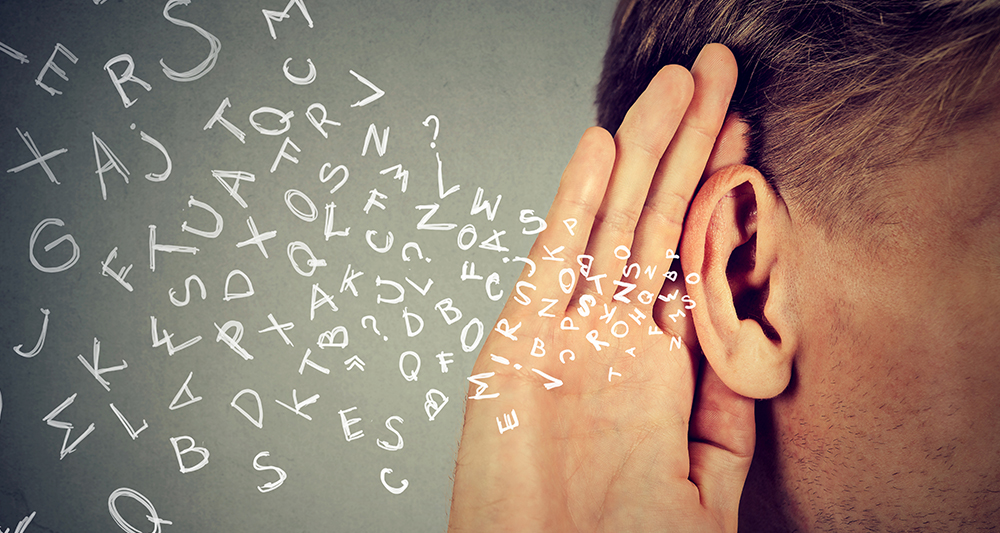
The Power of Active Listening: Why It's Essential for Effective Communication
The power of active listening cannot be overstated when it comes to effective communication. This skill involves fully concentrating, understanding, responding, and remembering what is being said during a conversation. Unlike passive listening, which often leads to misunderstandings and misinterpretations, active listening requires engagement and intent. By maintaining eye contact, nodding, and providing verbal affirmations, listeners can demonstrate their commitment to understanding the speaker's message. This not only fosters a sense of trust but also encourages open and honest dialogue.
Furthermore, active listening plays a crucial role in resolving conflicts and building stronger relationships. When individuals feel heard, they are more likely to express their thoughts and emotions without fear of judgment. This process can be broken down into several key components:
- Pay attention without interruption.
- Reflect on what is being said.
- Clarify and ask questions.
- Respond thoughtfully and appropriately.
Counter-Strike is a popular tactical first-person shooter game that has captivated players since its release. Known for its team-based gameplay and strategic objectives, players can choose to be part of either the terrorist or counter-terrorist team. For gamers looking to enhance their experience, finding reliable accessories is crucial. Check out our Top 10 Headphone Cable Replacements to ensure your audio quality stays top-notch during intense matches.
Top 5 Techniques to Enhance Your Listening Skills and Improve Dialogue
Effective listening is a crucial skill that can significantly enhance dialogue and improve relationships, whether in a professional or personal setting. Here are five techniques that can help you become a better listener:
- Maintain Eye Contact: Keeping eye contact shows the speaker that you are engaged and encouraging them to share more.
- Eliminate Distractions: Put away your phone and avoid multitasking during conversations, which allows you to focus fully on what the other person is saying.
- Practice Active Listening: This involves nodding, using verbal affirmations, and asking questions to clarify your understanding of the speaker’s message.
- Reflect and Summarize: To ensure you’ve understood correctly, repeat back what you’ve heard and summarize the main points.
- Be Open-Minded: Approach conversations with an open mind, free of preconceived notions, which fosters a more genuine exchange.
By incorporating these listening techniques into your daily interactions, you'll not only improve your dialogue skills but also deepen your understanding and connection with others. Listening is an art that takes practice, and when you are genuinely tuned in, you pave the way for more impactful and meaningful conversations.
How Tuning In Can Resolve Conflicts: The Role of Empathy in Communication
In today's fast-paced world, effective communication is crucial for resolving conflicts and fostering healthy relationships. Tuning in to others involves active listening and genuine engagement, which are essential components of empathetic communication. By practicing empathy, we can step into another person's shoes, allowing us to understand their feelings, thoughts, and perspectives. This process not only calms the situation but also builds trust, creating a more open dialogue. As we prioritize empathy in communication, we are better equipped to navigate disagreements and find common ground.
To enhance our empathetic skills, consider implementing these strategies:
- Listen actively by giving full attention and avoiding interruptions while the other person speaks.
- Ask open-ended questions to encourage sharing and show interest in their perspective.
- Reflect back what you've heard to confirm understanding and display validation of their feelings.