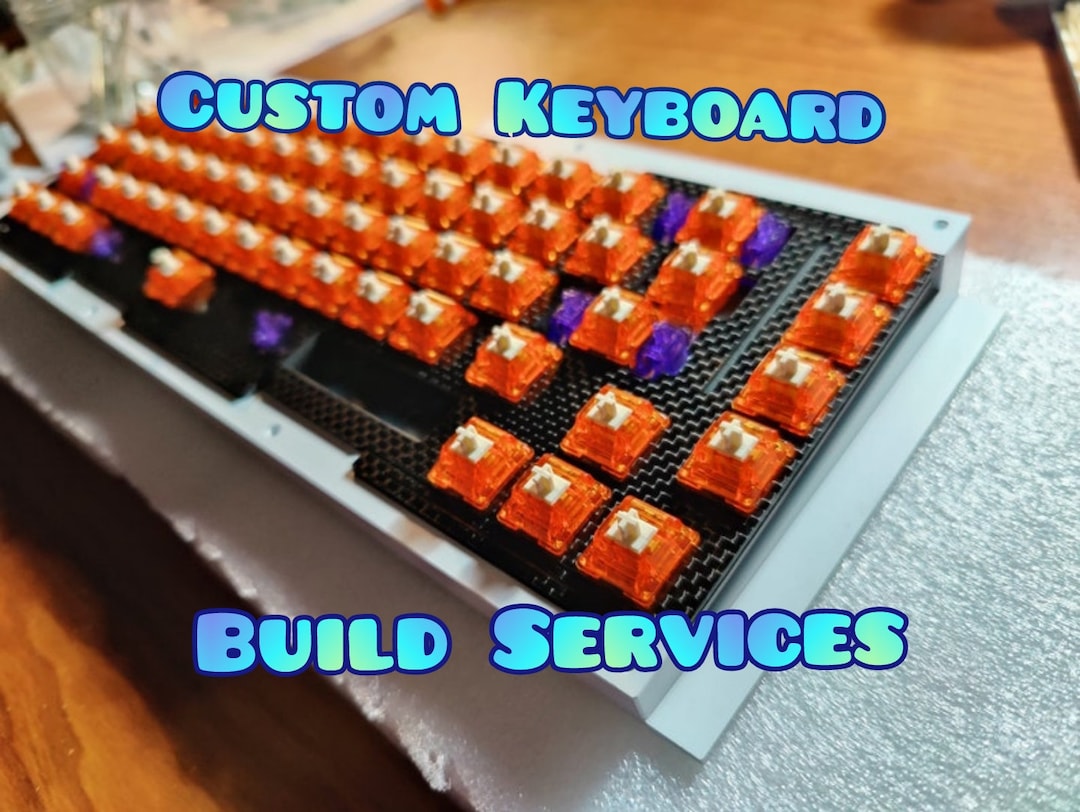
The Ultimate Guide to Keyboard Customization: Unlocking Your Typing Potential
In today's digital age, keyboard customization has become an essential aspect of enhancing your typing experience. With various tools and techniques at your disposal, unlocking your typing potential starts with understanding the different ways you can modify your keyboard. From remapping keys to using custom keycaps, the world of keyboard customization offers a plethora of options that cater to both casual users and dedicated enthusiasts. Explore the possibilities by considering your typing style, preferred software, and ergonomic needs to create a setup that truly fits your personal requirements.
To get started with your keyboard customization journey, follow these essential steps:
- Identify Your Needs: Determine what you want to achieve, whether it's improving typing speed, reducing strain, or enhancing usability.
- Research Products: Look for high-quality mechanical switches, keycaps, and software that allow for key remapping.
- Experiment: Don't be afraid to try different configurations to see what works best for you; the beauty of customization lies in personalization!
If you're looking to customize your keyboard, exploring the Top 10 Keycap Sets for Keyboards can help you find the perfect style and feel. These keycap sets offer a variety of materials, colors, and designs that can transform your typing experience. Whether you prefer a classic look or something more modern, there's a keycap set to fit every preference and enhance your setup.
Top 10 Essential Upgrades for Your Custom Keyboard Setup
Upgrading your custom keyboard setup can significantly enhance your typing experience and efficiency. Here are the Top 10 Essential Upgrades to consider:
- Switches: Choosing the right mechanical switches is crucial. Whether you prefer tactile, linear, or clicky switches, this upgrade can transform the feel and sound of your keyboard.
- Keycaps: High-quality keycaps made of durable materials like PBT can elevate the aesthetic and typing experience of your keyboard. Custom designs or color themes can also add a personal touch.
- Alice Layout: Explore alternative layouts such as the Alice layout for a more ergonomic typing stance that helps reduce strain during long typing sessions.
- Stabilizers: Upgrading to higher-quality stabilizers can eliminate rattle and provide a smoother experience, especially on larger keys like the spacebar and enter key.
- RGB Lighting: Adding RGB lighting can enhance the visual appeal and allow for customization of your keyboard's appearance.
Continuing with our list of the Top 10 Essential Upgrades, consider these additional enhancements:
- Wrist Rest: A good wrist rest can provide comfort and reduce fatigue, making longer typing sessions much more pleasant.
- Keyboard Case: A solid or acrylic case not only provides protection but can also contribute to the vibration and sound profile of your typing experience.
- PCB Type: Look into upgrading to a hot-swappable PCB to change switches without soldering, giving you more flexibility in customizing your setup.
- Cables: A custom coiled or braided cable can add flair to your desk setup while improving cable management.
- Sound Dampening Foam: Adding foam between the plate and case can absorb sound, resulting in a quieter and more pleasant typing experience.
Keyboard Layouts Explained: Which Configuration Suits Your Typing Style?
Understanding keyboard layouts is crucial for optimizing your typing experience and overall productivity. There are several configurations available, each catering to different typing styles and preferences. The most common layouts include QWERTY, AZERTY, and Dvorak, each designed to facilitate efficient typing while minimizing finger movement. If you're someone who types extensively, investing time in learning about these layouts can significantly impact your speed and comfort. For example, the Dvorak layout rearranges keys to promote a more natural hand positioning, potentially reducing the risk of repetitive strain injuries.
To determine which keyboard configuration suits your typing style, consider factors such as your typing habits, frequency of use, and any physical discomfort you may experience. Here are a few points to consider:
- Typing Speed: Some layouts may enhance your speed more than others.
- Comfort: Evaluate how each layout aligns with your hand's natural movements.
- Familiarity: Transitioning to a new layout may take time, so consider how comfortable you feel with each option.
Experimenting with different settings can lead to discovering a layout that not only matches your typing style but also enhances productivity.