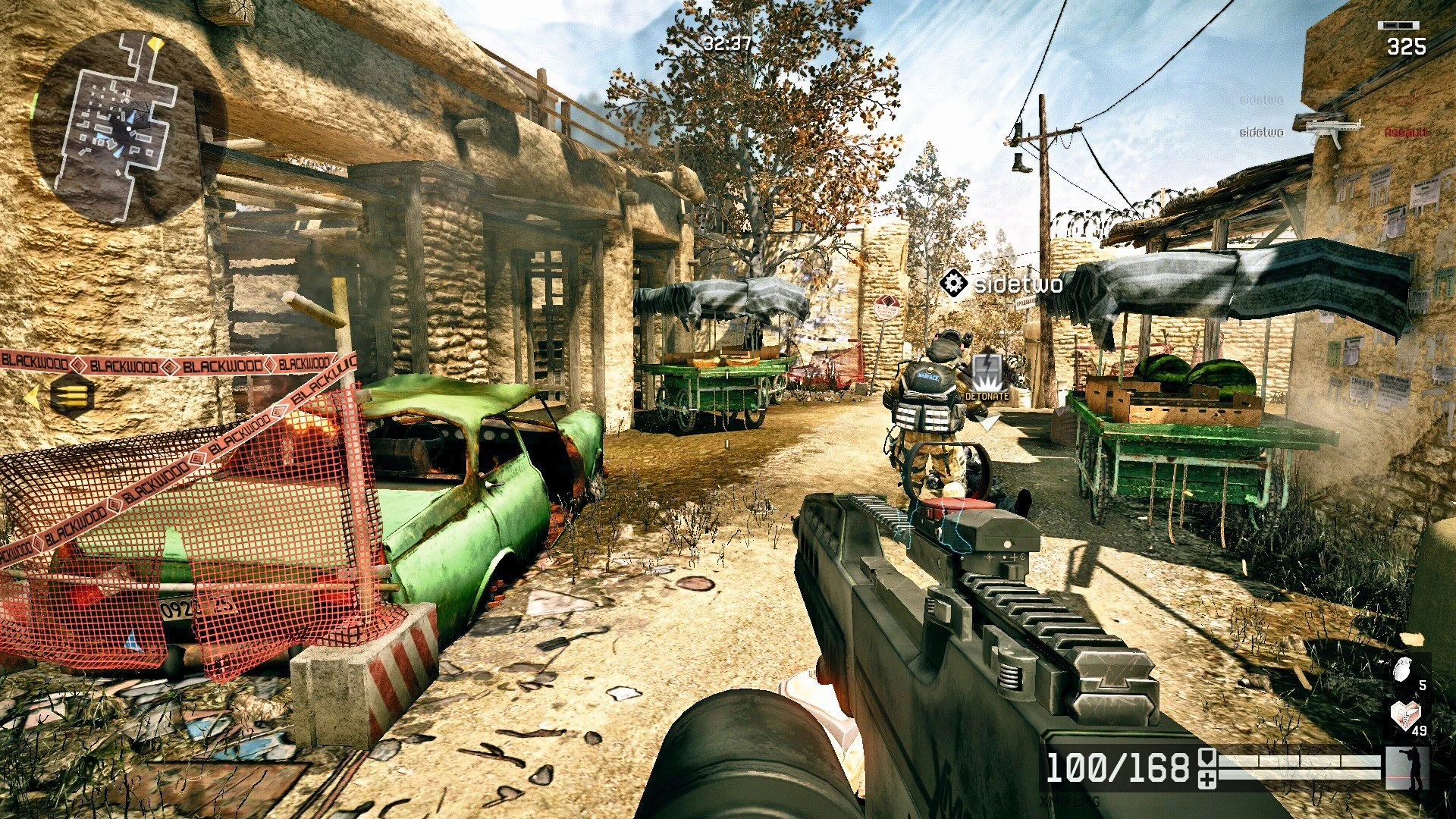
The Evolution of Game Narratives: How Pixels Tell Powerful Stories
The world of gaming has undergone a remarkable transformation since its inception, with game narratives evolving from simple pixelated plots to complex, emotionally-driven stories. In the early days, games often relied on limited graphics and text-based storytelling, where players filled in the gaps with their imagination. Titles like 'Pong' and 'Space Invaders' laid the groundwork for gameplay but lacked concrete narratives. As technology advanced, the introduction of more sophisticated graphics allowed for the development of intricate plots. Games like 'Final Fantasy' and 'The Legend of Zelda' began to weave narratives that players could connect with, introducing character development, plot twists, and immersive worlds.
Today, pixels are more than just visual markers—they are integral to storytelling in games. Modern game design incorporates cinematic techniques and complex character arcs, giving players the power to influence the story's outcome. Titles such as 'The Last of Us' and 'God of War' demonstrate how game narratives can evoke deep emotional responses, revealing themes of sacrifice, love, and survival. This evolution signifies a shift in how we perceive video games; they are no longer just entertainment but a medium for powerful storytelling that can reflect human experiences and societal issues. As we look to the future, the potential for game narratives to inspire and connect with us only continues to grow.
Counter-Strike is a tactical first-person shooter game that has gained a massive following since its release. Players are divided into teams, typically terrorists and counter-terrorists, and engage in various objectives, such as bomb defusal or hostage rescue. For enthusiasts looking to enhance their gaming experience, exploring Top 10 iphone accessories for gaming can provide valuable insights and recommendations.
From Gameplay to Art: Understanding the Aesthetic Shifts in Modern Gaming
The landscape of modern gaming has undergone a significant transformation, evolving from gameplay centered experiences to visually stunning artistic expressions. This shift has been influenced by advances in technology and a growing appreciation for the narrative art form inherent in gaming. Developers are now embracing a variety of artistic styles, from hyper-realistic graphics to minimalist aesthetics, creating immersive environments that mirror and enhance the emotional narratives of their games. Such diversity not only captivates players but also invites them to engage with gaming as a legitimate form of art.
As players navigate through richly crafted worlds, the importance of aesthetic choices in modern games becomes increasingly evident. Titles like Journey, with its breathtaking art and emotional journey, and Celeste, known for its pixel art and compelling storytelling, showcase how gameplay and art can intertwine seamlessly. These games exemplify how artistic shifts contribute to player immersion, influencing how stories are told and experienced. Understanding these developments is crucial for anyone interested in the future trajectory of gaming as both a medium and an art form.
How Video Game Mechanics Inspire Emotional Connections: A Deep Dive
Video game mechanics are not just systems of rules and challenges; they are intricate frameworks that foster emotional connections between players and the digital worlds they inhabit. By incorporating diverse gameplay elements—ranging from narrative-driven quests to cooperative missions—developers craft experiences that resonate deeply with players. For instance, the use of decision-making mechanics can evoke a sense of personal investment, making players more emotionally attached to the characters and outcomes in the game. This deep dive explores how these mechanics not only serve gameplay but also enhance the emotional fabric of the gaming experience.
Moreover, mechanics such as reward systems and progression paths are pivotal in creating a sense of achievement that fosters emotional satisfaction. When players complete challenging levels or unlock new abilities, the rush of dopamine reinforces their connection to the game. This emotional engagement is further amplified through shared experiences in social gaming environments, where players build friendships and memories. Ultimately, the blend of gameplay and emotional investment underscores how video game mechanics can forge profound connections, leaving lasting impressions both in and out of the virtual landscape.