Understanding the Role of Flexible Cables in Everyday Technology
Flexible cables play a crucial role in the functionality of various devices we use daily, from smartphones to kitchen appliances. They offer the advantage of bendability without compromising on performance, allowing devices to be more portable and versatile. In environments where equipment needs to be moved frequently, such as in the entertainment industry or automotive applications, these cables reduce the risk of breakage and prolong the lifespan of the devices. Additionally, flexible cables can be found in wearable technology, enabling a comfortable fit while maintaining essential connectivity.
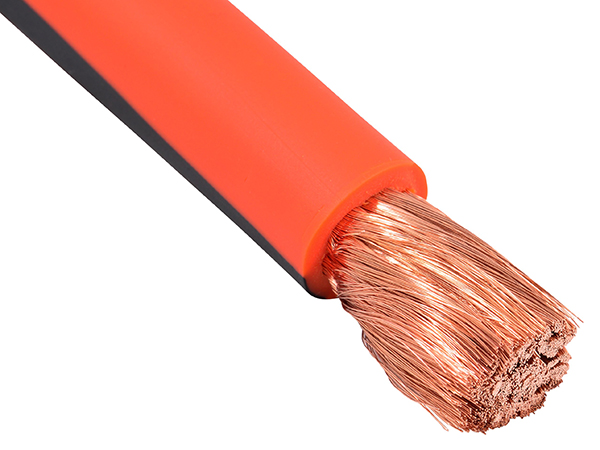
The adaptability of flexible cables comes from their unique design and materials, which allow them to endure frequent movement. They are typically made from a combination of copper strands and flexible insulation, providing electrical efficiency and protection against wear. This makes them ideal for applications that require dynamic movement and flexibility. For example, in robotics and automation, flexible cables support complex systems where components must continuously move and adapt. As technology advances, the demand for these adaptable solutions continues to grow, highlighting their importance in innovation.
If you're looking for durability and style, check out the Top 10 Braided USB C Cables that combine strength with performance. These cables not only provide fast charging and data transfer but also feature robust braided designs that resist tangling. Whether you're using them for your smartphone, tablet, or laptop, these options cater to various needs and preferences.
How Flexible Cables Enhance Connectivity: A Deep Dive
Flexible cables have revolutionized the way we connect our devices, offering unmatched versatility and efficiency. Unlike traditional rigid cables, which can limit placement and movement, flexible cables are designed to bend and adjust to various environments. This adaptability enhances connectivity in numerous applications, from home entertainment systems to complex industrial setups. The ability to navigate tight spaces and contour around obstacles means that users can enjoy reliable internet connections and improved signal quality without the hassle of managing stiff wiring.
Moreover, the implementation of flexible cables in today's tech landscape has led to advancements in communication speeds and a reduction in signal loss. For instance, in areas such as telecommunications and data transfer, the flexibility of these cables provides a significant advantage. By allowing for easier installation and reduced wear and tear, they help maintain the integrity of the communication lines. In conclusion, the role of flexible cables in enhancing connectivity cannot be overstated; they represent a crucial shift toward more efficient and user-friendly technological solutions.
What Makes Flexible Cables Essential for Modern Devices?
In the fast-paced world of technology, flexible cables have become an essential component for modern devices. These cables offer remarkable versatility, allowing them to bend, twist, and adapt to various configurations without compromising performance. This adaptability is crucial in tight spaces, such as inside smartphones, laptops, and wearable gadgets, where traditional rigid cables may fail. Furthermore, flexible cables can help reduce wear and tear, enhancing the durability and lifespan of the devices they connect.
The importance of flexible cables extends beyond mere convenience. They play a vital role in ensuring seamless connectivity and reliable signal transmission. For example, high-quality flexible cables are often engineered with materials that reduce interference and optimize data transfer rates, which is essential for the functioning of sophisticated electronics. As devices continue to evolve and incorporate advanced technologies, the demand for flexible cables will only grow, highlighting their significance in the modern tech landscape.