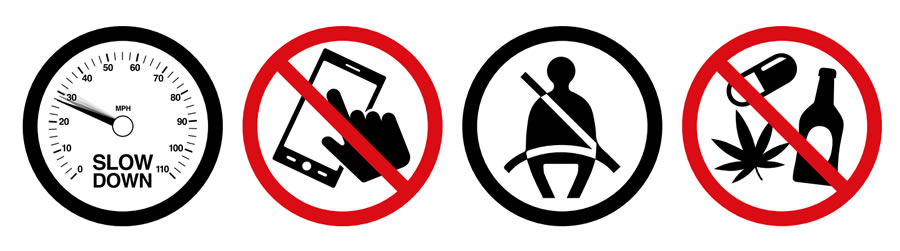
Top 5 Defensive Driving Techniques Everyone Should Know
Defensive driving is an essential skill for all motorists, focusing on anticipating and preventing accidents rather than just reacting to them. Here are the top 5 defensive driving techniques that everyone should know:
- Maintain a Safe Following Distance: Always keep a safe distance from the vehicle in front of you. A good rule of thumb is the 'three-second rule', which states that you should be at least three seconds behind the car ahead. This space allows you time to react if the driver in front suddenly stops.
- Stay Aware of Your Surroundings: Keep your head on a swivel. Constantly check your mirrors and surroundings for potential hazards. Being aware of what’s happening around you can help you anticipate the actions of other drivers.
- Use Your Signals: Always signal your intentions early. Whether you're changing lanes or turning, using your turn signals can alert other drivers to your movements, reducing the chances of collisions.
- Limit Distractions: Avoid distractions such as mobile phones, eating, or adjusting the radio while driving. Staying focused on the road helps ensure that you can react quickly to unexpected situations.
- Adjust Driving to Conditions: Whether it’s rain, fog, or heavy traffic, adjust your driving style to suit the current conditions. Slowing down when necessary and increasing your following distance can significantly enhance safety on the road.
Counter-Strike is a highly popular first-person shooter game that emphasizes teamwork and strategy. Players can choose between two opposing teams, terrorists and counter-terrorists, to complete various objectives. For gaming enthusiasts interested in enhancing their experience, exploring options like Top 10 car tech accessories can provide useful insights.
How to Prepare Your Car for Safe Long-Distance Travel
Preparing your car for safe long-distance travel is essential to ensure a smooth journey. Start by conducting a comprehensive vehicle inspection to identify any potential issues. Check the fluids such as oil, coolant, brake fluid, and windshield washer fluid. Ensure that your tires are properly inflated and have adequate tread depth. Don't forget to examine your brakes as well; worn-out pads can compromise safety on extended trips. Once you're confident in your car's condition, make sure to pack an emergency kit that includes items like a first aid kit, flashlight, water, and non-perishable snacks.
Another crucial aspect of preparing your car for long-distance travel is to ensure your battery is in good condition. A weak battery can lead to unexpected breakdowns, so consider having it tested, especially if it’s more than three years old. Additionally, it's wise to keep your roadside assistance information handy in case of emergencies. Before you hit the road, plan your route meticulously, paying attention to rest stops and fuel stations along the way. It’s also helpful to inform someone about your travel plans for added safety. Following these steps will not only give you peace of mind but also contribute to an enjoyable travel experience.
Common Road Hazards and How to Avoid Them
When navigating the roads, drivers encounter various common road hazards that can compromise safety. These include potholes, which can damage vehicles, as well as debris from construction sites or accidents. Weather conditions such as rain, fog, and ice can significantly reduce visibility and traction, increasing the likelihood of accidents. To avoid these hazards, always remain alert and maintain a safe distance from other vehicles. Additionally, be mindful of road signs and alerts regarding hazardous conditions.
Another common hazard is the presence of animals on the road, especially in rural areas. It’s vital to stay cautious during dusk and dawn when wildlife is more active. If you encounter an animal crossing, it is crucial to slow down and be ready to stop if necessary. Also, consider these tips to avoid common road hazards:
- Regularly inspect your vehicle for maintenance issues.
- Stay updated with local traffic reports.
- Practice defensive driving and anticipate the actions of others.