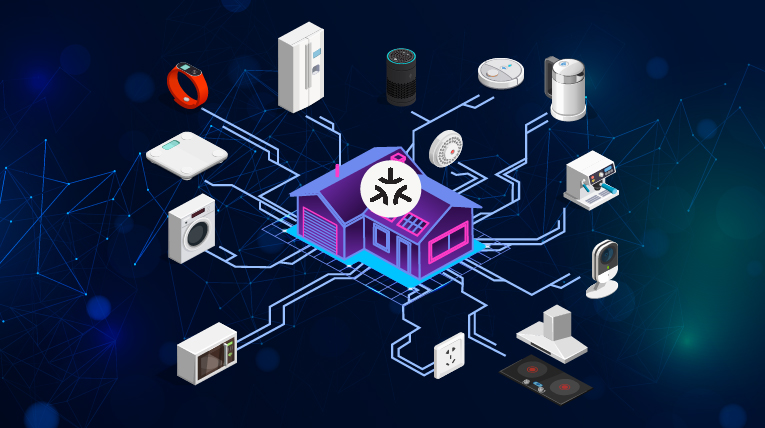
Understanding the Power of Connectivity: How Invisible Threads Shape Our Daily Lives
Understanding the power of connectivity is essential in today's fast-paced world, where the invisible threads of technology interweave through every aspect of our daily lives. From social media platforms that keep us connected with friends and family across the globe to smart devices that streamline our tasks, these connections enhance our productivity and enrich our experiences. Consider how our interactions are often facilitated through invisible threads—like the internet, cellular networks, and cloud computing—that enable real-time communication and information sharing. It's fascinating to think about how these connections span across different geographic locations and cultural boundaries, fostering a sense of community and belonging in a seemingly disconnected world.
The impact of these invisible threads extends beyond social connectivity; they also play a crucial role in various industries, influencing the way businesses operate and innovate. For instance, the rise of remote work has shifted many companies towards a connectivity-driven model, where collaboration tools are vital for maintaining productivity. As we embrace this new normal, it’s clear that understanding the nuances of these connections—whether they be through cloud systems or collaborative software—is key to navigating the future landscape. By recognizing and leveraging the power of connectivity, we can not only improve our personal interactions but also thrive in our professional endeavors.
Counter-Strike is a highly popular tactical first-person shooter game that has captivated gamers worldwide since its inception. The game features two teams, terrorists and counter-terrorists, who compete to complete objectives or eliminate each other. While you gear up for an intense gaming session, check out the Top 10 MacBook Air accessories to enhance your setup.
The Science of Connection: Exploring the Psychological and Emotional Ties That Bind Us
Human beings are inherently social creatures, driven by an innate need for connection that transcends mere companionship. The science of connection delves into the intricate web of psychological and emotional ties that shape our relationships. Research has shown that both oxytocin, often referred to as the 'love hormone,' and dopamine, which plays a pivotal role in pleasure and reward, are crucial in forming these bonds. According to studies, meaningful connections can lead to improved mental health, greater resilience in the face of adversity, and even enhanced longevity. These insights underscore the importance of nurturing our interpersonal relationships, as they not only enrich our lives but also contribute to our overall well-being.
Furthermore, the psychological aspects of connection are multifaceted, encompassing empathy, trust, and shared experiences. For instance, the phenomenon of social contagion illustrates how emotions can be transmitted through social networks, creating a ripple effect of feelings among individuals. Additionally, engaging in activities that promote cooperation and understanding can significantly strengthen our emotional ties. Strategies such as open communication, active listening, and expressing gratitude can cultivate a sense of belonging within our communities. Ultimately, recognizing the emotional ties that bind us can guide us in fostering healthier, more fulfilling relationships.
What Does Being Connected Mean in the Digital Age? A Deep Dive into Modern Connectivity
In the digital age, being connected transcends simple internet access; it embodies the intricate web of relationships and interactions formed through technology. Connectivity now extends beyond traditional social media platforms to include a myriad of tools that foster communication, collaboration, and community building. This evolution has given rise to a phenomenon where our personal and professional lives are intertwined, making it essential to understand the implications of our digital interactions. As we navigate this landscape, we must consider the effects on our mental health, productivity, and social dynamics.
Moreover, the concept of connectivity encompasses various dimensions such as emotional and intellectual connections. For instance, platforms like forums, webinars, and online courses allow individuals to share knowledge and experiences, creating a sense of belonging in a virtual space. This increased connectivity can lead to greater innovation and collaboration, but it also raises concerns about privacy, misinformation, and the dilution of face-to-face interactions. Thus, being connected in the digital age is a double-edged sword, highlighting the need for balance and mindfulness in our engagement with technology.