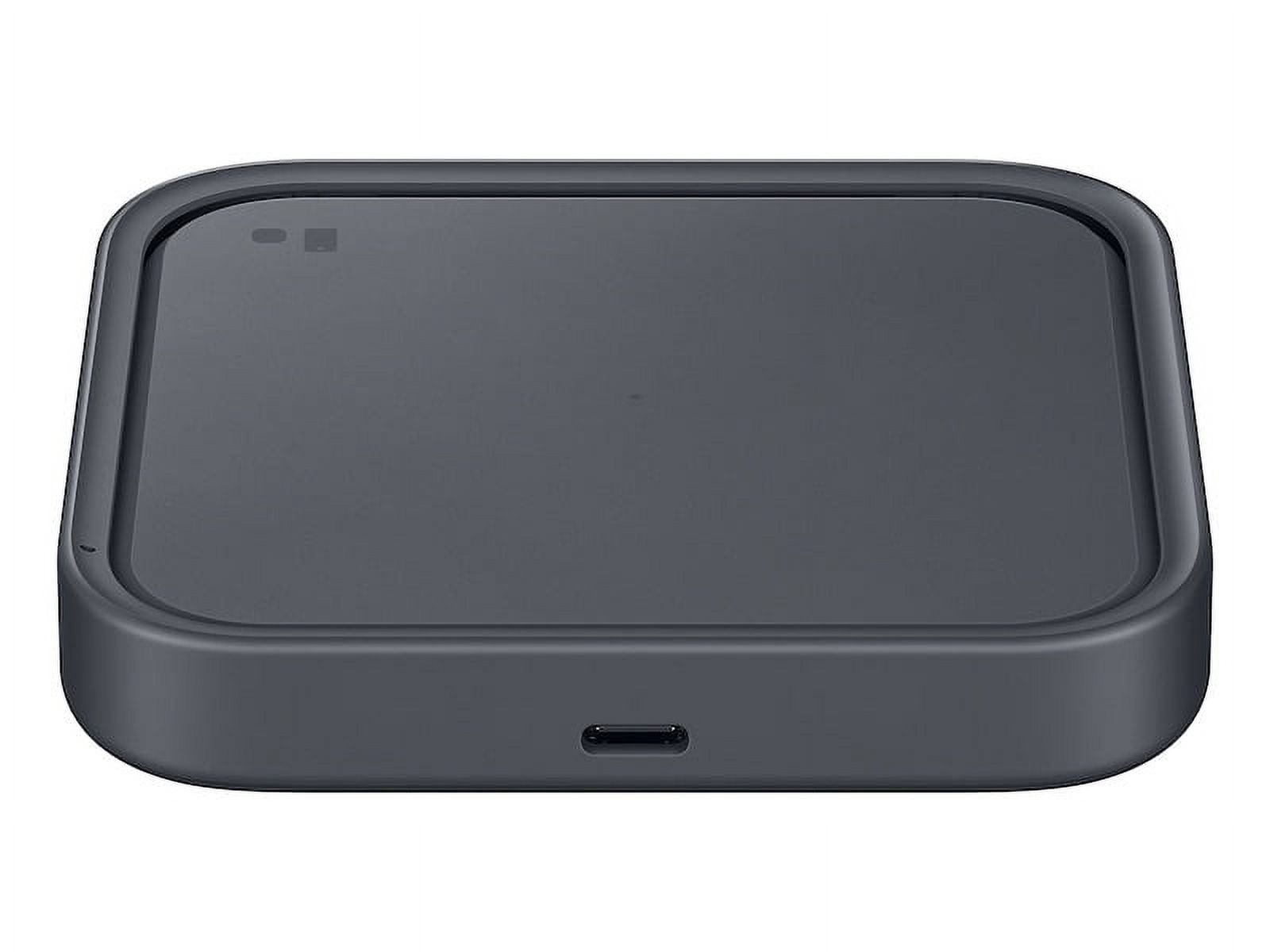
The Evolution of Charging: How Wireless Chargers Changed the Game
The advent of wireless charging technology has revolutionized how we power our devices, offering unparalleled convenience and efficiency. Initially introduced in the early 2000s, wireless charging has evolved from niche applications, such as electric toothbrushes, to mainstream use in smartphones, wearables, and even electric vehicles. This shift has not only simplified the charging process—eliminating the need for tangled cables—but has also encouraged innovation in product design and integration. As more manufacturers adopt this technology, consumers are now enjoying the ease of simply placing their devices on a charging pad to power up.
One of the most significant impacts of wireless charging is the enhancement of user experience. With the rise of public charging stations equipped with wireless chargers, users can easily top off their devices at cafes, airports, and various public spaces. Additionally, the growing compatibility of Qi-standard chargers—widely adopted by smartphone makers—has made it easier for consumers to find charging solutions that fit their needs. As the technology continues to advance, we can expect even greater efficiencies and smarter solutions that will further change the game in how we interact with our devices.
Counter-Strike is a popular tactical first-person shooter game that has captivated millions of players around the globe. Known for its team-based gameplay and competitive environment, the game pits groups of terrorists against counter-terrorists in various objective-based scenarios. For players looking to enhance their gaming setup, checking out the Top 10 iPhone accessories under 50 can offer some great options.
Understanding the Technology Behind Wireless Charging: What You Need to Know
Wireless charging technology, also known as inductive charging, is a method of powering devices without the need for physical connectors. This process relies on electromagnetic fields to transfer energy from a charging pad to a compatible device. The technology works through two coils: a primary coil in the charging pad and a secondary coil in the device. When the primary coil generates an alternating electromagnetic field, the secondary coil in the device converts it back into electrical energy, thus charging the battery. Understanding this process is crucial for both consumers and manufacturers alike to effectively harness the potential of wireless charging.
There are several standards for wireless charging, with Qi being the most widely adopted. Qi chargers are used by a variety of devices, including smartphones, wearables, and even electric vehicles. Key advantages of this technology include convenience, as users can simply place their devices on a charging pad, and decreased wear on charging ports, potentially extending the lifespan of devices. However, it is important to note that wireless charging may be less efficient than traditional wired charging, leading to longer charging times. As the technology continues to evolve, it's essential to stay informed about advancements and compatibility, ensuring you can make the most out of your wireless charging experience.
Are Wireless Chargers Worth It? Pros and Cons to Consider
Wireless chargers have become increasingly popular as more smartphones and devices support this convenient charging method. Are wireless chargers worth it? To determine this, it's essential to weigh the pros and cons. On the positive side, wireless charging eliminates the hassle of tangled cords and provides a sleek charging solution. With a simple drop of your device onto a charging pad, it begins to charge automatically, allowing for easy access and usability. Additionally, many wireless chargers offer fast charging capabilities, making them efficient without sacrificing speed.
On the downside, there are some drawbacks to consider when deciding if wireless chargers are worth it. First, the efficiency of wireless charging can be lower than traditional wired charging, which means it may take longer to achieve a full charge. Furthermore, some wireless chargers may not be compatible with all devices, leading to the potential need for multiple chargers. Finally, the cost of high-quality wireless charging pads can be significantly higher than standard chargers, which might not appeal to budget-conscious consumers. Ultimately, weighing these factors will help you determine if investing in a wireless charger aligns with your needs.